Understanding Modern Security Systems for Your Property
At All Air Heating and Cooling, we recognize that protecting your home or business extends beyond maintaining comfortable temperatures and optimal air quality. Security systems have become an essential component of property management, working alongside HVAC infrastructure to create comprehensive building automation solutions. As we serve customers throughout Fredericksburg, Brooke, Falmouth, Hartwood, Spotsylvania Courthouse, Thornburg, King George, Sealston, Spotsylvania, Stafford, and Woodford, we’ve witnessed firsthand how integrated security technologies can enhance both safety and energy efficiency while providing peace of mind for property owners.
The evolution of security technology has transformed simple alarm systems into sophisticated networks that can communicate with various building systems, including your heating and cooling equipment. Modern security platforms utilize advanced sensors, smart cameras, and intelligent monitoring capabilities that can detect intrusions, environmental hazards, and system anomalies. These technologies employ machine learning algorithms to distinguish between normal activities and potential threats, reducing false alarms while improving response accuracy. Integration with mobile applications allows property owners to monitor and control their security systems remotely, receiving real-time alerts and accessing live video feeds from anywhere in the world.
Components and Technologies in Contemporary Security Solutions
Today’s security systems consist of multiple interconnected components that work together to create comprehensive protection networks. Motion detectors utilize passive infrared technology, microwave sensors, or dual-technology approaches to identify movement within protected areas. These devices can differentiate between pets and potential intruders, adjusting sensitivity based on the size and heat signature of moving objects. Door and window sensors employ magnetic reed switches or vibration detection to alert homeowners when entry points are breached, while glass break detectors use acoustic analysis to identify the specific frequency patterns associated with breaking glass.
Video surveillance has advanced dramatically with the introduction of high-definition cameras featuring night vision capabilities, wide-angle lenses, and intelligent video analytics. These cameras can perform facial recognition, license plate reading, and behavioral analysis to identify suspicious activities automatically. Cloud storage solutions enable continuous recording without the limitations of physical storage devices, while encrypted transmission protocols ensure that video data remains secure from unauthorized access. Smart doorbells with integrated cameras have become particularly popular, allowing homeowners to see and communicate with visitors remotely, creating virtual presence even when away from home.
Integration with Building Automation and HVAC Systems
The convergence of security systems with HVAC controls represents a significant advancement in building automation technology. When security systems detect that a property is unoccupied, they can automatically adjust temperature settings to conserve energy, potentially reducing utility costs by 20-30% according to industry studies. Conversely, when the system recognizes authorized occupants returning home, it can trigger pre-programmed comfort settings, ensuring optimal temperature and air quality upon arrival. To ensure your satisfaction, we start by asking questions about your specific needs and preferences for both climate control and security integration.
Environmental monitoring capabilities within modern security systems can detect smoke, carbon monoxide, water leaks, and extreme temperature fluctuations that might indicate HVAC malfunctions. These sensors can trigger automatic responses such as shutting off water mains during leak detection or activating exhaust fans when dangerous gas levels are detected. Integration with smart thermostats enables geofencing technology, which uses smartphone location data to optimize heating and cooling schedules based on occupancy patterns, improving both comfort and efficiency while maintaining security protocols.
Professional Installation and Configuration Considerations
Proper installation of security systems requires careful planning and expertise to ensure comprehensive coverage without creating vulnerabilities. Professional installers assess property layouts to identify optimal sensor placement, considering factors such as traffic patterns, valuable asset locations, and potential entry points. They evaluate existing electrical infrastructure to determine power requirements and identify opportunities for hardwired connections that provide more reliable operation than wireless alternatives. Network configuration must balance accessibility with security, implementing encryption protocols and firewall protections to prevent unauthorized system access.
If we don’t provide quality air conditioning and heating repair and services, we’re not doing our job, and the same principle applies to security system integration. Professional installers ensure proper calibration of all sensors, establishing baseline parameters that minimize false alarms while maintaining effective threat detection. They configure notification protocols, establishing escalation procedures that alert appropriate parties based on threat severity. Testing procedures verify that all components communicate effectively, backup power systems function correctly, and remote access capabilities operate securely across various network conditions.
Maintenance and System Optimization
Regular maintenance ensures that security systems continue operating effectively while adapting to changing security requirements.
- Monthly testing of sensors, alarms, and communication pathways identifies potential issues before they compromise security
- Quarterly updates of software and firmware incorporate latest security patches and feature enhancements
- Annual professional inspections evaluate system performance and recommend upgrades based on emerging threats and technologies
Battery replacement schedules vary depending on component types and usage patterns, with most wireless sensors requiring new batteries every 2-3 years. Camera lenses need periodic cleaning to maintain image quality, particularly in outdoor installations exposed to weather elements. Motion detector sensitivity may require adjustment as environmental conditions change seasonally, preventing false alarms triggered by heating vents or moving foliage.
Future Developments and Industry Trends
The security industry continues evolving with artificial intelligence and Internet of Things technologies driving innovation. Predictive analytics can identify unusual patterns that might indicate security risks before actual breaches occur. Biometric authentication methods, including fingerprint scanning and facial recognition, are becoming more affordable and reliable for residential applications. Voice-activated controls enable hands-free system management, particularly valuable during emergency situations.
Integration with smart city infrastructure promises enhanced emergency response capabilities, with security systems automatically sharing relevant information with first responders during incidents. Blockchain technology may revolutionize access control systems, creating tamper-proof logs of entry attempts and system modifications. As 5G networks expand throughout Greater Fredericksburg, increased bandwidth and reduced latency will enable more sophisticated real-time monitoring and response capabilities.
It’s all part of our tradition of excellence so you know you are getting the best from HVAC professionals who care about comprehensive building system integration. The convergence of security, HVAC, and other building systems creates opportunities for enhanced automation and efficiency that benefit property owners through improved safety, comfort, and operational cost savings. Understanding these technologies and their interactions helps property owners make informed decisions about protecting their investments while optimizing system performance across all aspects of building management.
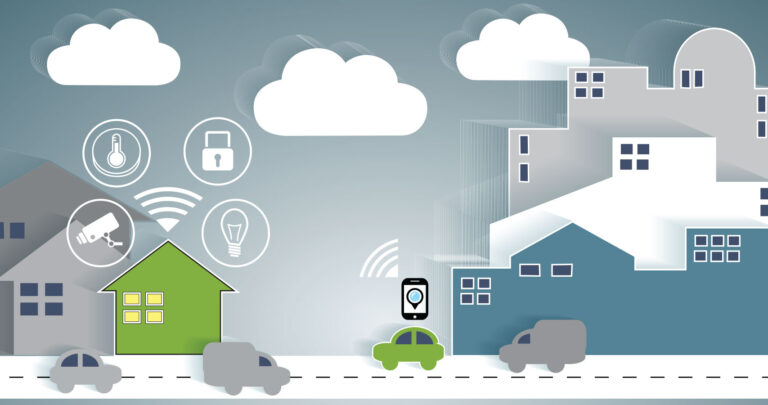

 The Cor Automation system is one of the most advanced and user-friendly security solutions on the market. Some of its key features include: