Understanding Radiant Floor Heating Systems
Radiant floor heating represents one of the most efficient and comfortable heating solutions available for homes throughout Greater Fredericksburg. This innovative technology transforms your floors into gentle, consistent heat sources that warm your living spaces from the ground up. Unlike traditional forced-air systems that can create hot and cold spots, radiant floor heating delivers uniform warmth across every square foot of your home. The system works by circulating warm water through tubes installed beneath your flooring or by using electric heating elements, creating an invisible comfort zone that eliminates drafts and reduces allergen circulation.
At All Air Heating and Cooling, we’ve installed countless radiant floor heating systems in homes across Fredericksburg, Brooke, Falmouth, Hartwood, Spotsylvania Courthouse, Thornburg, King George, Sealston, Spotsylvania, Stafford, and Woodford, witnessing firsthand how this technology revolutionizes indoor comfort. The principle behind radiant heating mirrors the natural warmth you feel from sunlight – heat radiates directly to objects and people in the room rather than warming the air first. This direct heat transfer method proves significantly more efficient than conventional heating approaches, as it eliminates the energy losses associated with ductwork and reduces the temperature stratification common in forced-air systems.
Types of Radiant Floor Heating We Install
Hydronic radiant floor heating systems utilize heated water flowing through specialized tubing to provide warmth. These systems connect to various heat sources including boilers, water heaters, or geothermal heat pumps. The PEX tubing we install features exceptional durability and flexibility, allowing for seamless integration beneath virtually any flooring material. Water temperatures typically range between 85 and 140 degrees Fahrenheit, considerably lower than traditional radiator systems, which enhances energy efficiency while maintaining superior comfort levels. The thermal mass of concrete slabs or specially designed subflooring systems stores and gradually releases heat, creating remarkably stable indoor temperatures throughout the day and night.
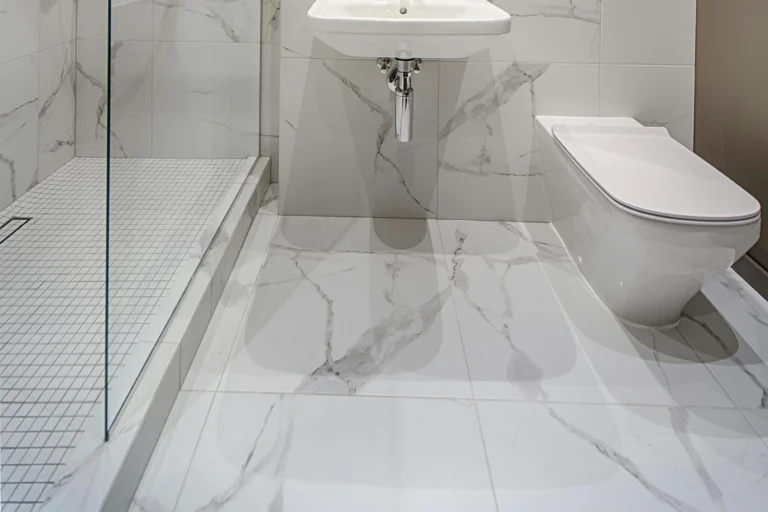
Electric radiant floor heating offers an alternative solution particularly well-suited for smaller spaces or renovation projects. These systems employ electric cables or mats installed directly beneath the flooring surface. While installation costs often prove lower than hydronic systems, operating expenses can vary depending on local electricity rates. We frequently recommend electric systems for bathroom renovations, kitchen upgrades, or specific rooms where extending hydronic tubing would prove impractical. The thin profile of electric heating mats makes them ideal for retrofit applications where maintaining existing floor heights remains critical.
Installation Process and Technical Considerations
Installing radiant floor heating requires meticulous planning and precise execution to ensure optimal performance. Our process begins with comprehensive heat loss calculations for your specific space, accounting for factors including insulation levels, window placement, and local climate data. We determine the appropriate tube spacing, typically ranging from six to twelve inches apart, based on these calculations and your desired comfort levels. Proper insulation beneath the heating system proves absolutely essential – we install high-quality insulation boards that direct heat upward into living spaces rather than allowing it to dissipate into the ground or lower levels.
The installation timeline varies depending on system type and project scope. New construction projects offer the greatest flexibility, allowing us to embed tubing directly within concrete slabs or install specialized subflooring systems designed specifically for radiant heating. Retrofit installations require additional considerations including floor height adjustments and potential structural modifications. We coordinate closely with other contractors to ensure seamless integration with your home’s existing systems. To ensure your satisfaction, we start by asking questions. If we don’t provide quality air conditioning and heating repair and services, we’re not doing our job. It’s all part of our tradition of excellence so you know you are getting the best from HVAC professionals who care.
Energy Efficiency and Cost Savings
Radiant floor heating systems typically operate 25 to 40 percent more efficiently than forced-air heating systems. This remarkable efficiency stems from multiple factors including lower operating temperatures, reduced air infiltration, and elimination of duct losses. The even heat distribution allows homeowners to maintain comfort at lower thermostat settings – many customers report feeling comfortable at temperatures two to four degrees lower than with their previous heating systems. This temperature reduction translates directly into energy savings, with every degree of setback potentially reducing heating costs by approximately three percent.
Long-term operational savings often offset the higher initial investment required for radiant floor heating. Modern high-efficiency boilers and heat pumps paired with radiant systems achieve remarkable performance levels, with some configurations approaching or exceeding 95 percent efficiency ratings. Additionally, the zoning capabilities inherent in radiant systems allow precise temperature control for individual rooms or areas, preventing energy waste in unoccupied spaces. Smart thermostats and control systems further optimize performance by learning usage patterns and adjusting heating schedules accordingly.
Benefits Beyond Basic Heating
Radiant floor heating enhances indoor air quality by eliminating the dust and allergen circulation associated with forced-air systems. Without blowing air, these systems don’t distribute pet dander, pollen, or other airborne irritants throughout your home. This proves particularly beneficial for family members suffering from allergies or respiratory conditions. The silent operation of radiant systems creates a peaceful living environment free from the whooshing sounds and mechanical noises common with traditional heating equipment.
- Design flexibility: No visible heating equipment allows complete freedom in furniture placement and interior design
- Increased usable space: Elimination of radiators and vents maximizes room functionality
- Compatible flooring options: Works effectively with tile, stone, hardwood, laminate, and carpet
- Consistent comfort: Maintains steady temperatures without the temperature swings of cycling forced-air systems
- Reduced maintenance: Fewer moving parts mean less frequent service requirements
Making Radiant Heating Work for Your Home
Determining whether radiant floor heating suits your specific situation requires careful evaluation of multiple factors. Homes with high ceilings particularly benefit from radiant systems since heat remains at occupant level rather than rising to unused upper spaces. Open floor plans showcase the technology’s ability to maintain consistent temperatures across large areas without the need for extensive ductwork. We assess your existing heating system, insulation quality, and long-term comfort goals to develop customized solutions that maximize both comfort and efficiency.
Integration with existing HVAC systems often proves feasible and beneficial. Many homeowners choose to install radiant heating in specific areas while maintaining forced-air systems for cooling and supplemental heating. This hybrid approach leverages the strengths of both technologies while managing installation costs. All Air Heating and Cooling specializes in designing integrated systems that work harmoniously to provide year-round comfort. Our expertise spans the full spectrum of heating and cooling technologies, enabling us to recommend optimal configurations for your unique requirements. Whether you’re building new construction, planning major renovations, or simply seeking superior comfort in existing spaces, radiant floor heating offers compelling advantages worth serious consideration.