Understanding Heat Pump Technology for Your Home
Heat pumps represent one of the most versatile and efficient heating and cooling solutions available for homeowners in Greater Fredericksburg today. Unlike traditional heating systems that generate heat through combustion or electrical resistance, heat pumps transfer existing heat from one location to another, making them remarkably energy-efficient. During winter months, these systems extract heat from outdoor air—even when temperatures drop below freezing—and transfer it inside your home. In summer, the process reverses, removing heat from your indoor spaces and expelling it outside, functioning just like a traditional air conditioner.
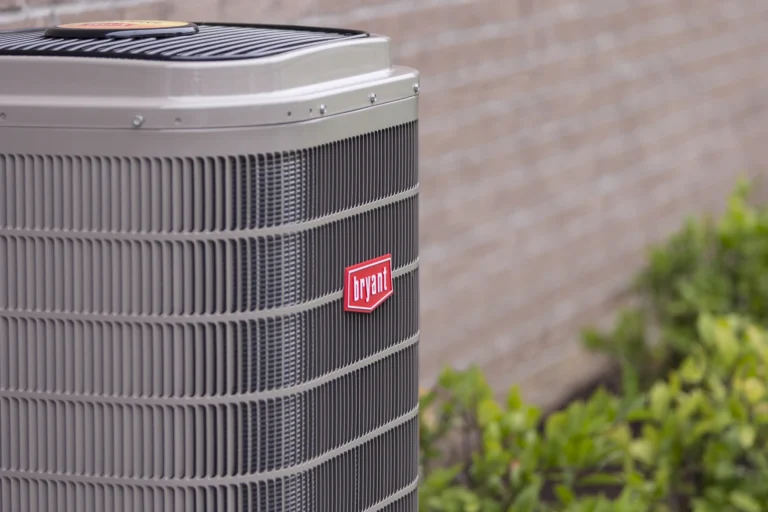
The technology behind heat pumps relies on the refrigeration cycle, utilizing refrigerant that changes from liquid to gas and back again as it circulates through the system. This phase change allows the refrigerant to absorb and release heat efficiently. A compressor, expansion valve, and two heat exchanger coils work together to facilitate this process. The outdoor unit contains one coil and a fan, while the indoor unit houses another coil and air handler. This configuration allows for seamless transitions between heating and cooling modes, providing year-round comfort with a single system installation.
Energy Efficiency and Cost Savings
Modern heat pumps achieve impressive efficiency ratings, often delivering three to four times more energy in heating or cooling than they consume in electricity. This efficiency translates to Coefficient of Performance ratings between 3.0 and 4.0, meaning for every unit of electricity consumed, the system produces three to four units of heating or cooling energy. According to the Department of Energy, heat pumps can reduce electricity usage for heating by approximately 50% compared to electric resistance heating systems like baseboard heaters and electric furnaces.
At All Air Heating and Cooling, we install high-efficiency heat pump systems that help homeowners throughout Fredericksburg, Brooke, Falmouth, Hartwood, Spotsylvania Courthouse, Thornburg, King George, Sealston, Spotsylvania, Stafford, and Woodford achieve substantial energy savings. Variable-speed compressors and smart thermostats further enhance efficiency by adjusting output based on actual heating or cooling demands rather than operating at full capacity continuously. These advanced features prevent energy waste during mild weather conditions when minimal heating or cooling is needed. Additionally, many utility companies offer rebates and incentives for heat pump installations, recognizing their contribution to reduced grid demand and environmental sustainability.
Types of Heat Pump Systems We Install
Air-source heat pumps remain the most common type installed in residential applications, extracting heat from outdoor air and suitable for most climate conditions. These systems have improved dramatically over recent decades, with cold-climate models now operating efficiently at temperatures as low as negative five degrees Fahrenheit. Split-system configurations place components both inside and outside the home, while packaged systems contain all components in a single outdoor unit, ideal for homes with limited indoor mechanical space.
Ground-source or geothermal heat pumps utilize the earth’s relatively constant underground temperature for heat exchange, achieving even higher efficiency ratings than air-source models. Though requiring more extensive installation involving underground loops, these systems provide exceptional long-term performance and durability. Ductless mini-split heat pumps offer targeted comfort control for individual rooms or zones, eliminating ductwork requirements and providing flexibility for home additions or areas with specific temperature preferences. To ensure your satisfaction, we start by asking questions about your home’s specific needs, existing infrastructure, and comfort goals before recommending the most appropriate heat pump solution.
Installation Process and Considerations
Professional heat pump installation involves careful planning and precise execution to ensure optimal performance and longevity. Our certified technicians begin with comprehensive load calculations, determining the exact heating and cooling capacity required for your home based on square footage, insulation levels, window placement, and local climate data. Proper sizing prevents short-cycling in oversized units and inadequate comfort from undersized systems, both of which reduce efficiency and equipment lifespan.
The installation process typically requires one to two days, depending on system complexity and any necessary modifications to existing ductwork or electrical systems. We evaluate your home’s electrical panel capacity, as heat pumps may require upgraded circuits or panels to handle increased electrical loads. Refrigerant line sets connecting indoor and outdoor units must be properly sized, insulated, and protected from physical damage. Our installation teams ensure proper drainage for condensate removal and verify all electrical connections meet local codes and manufacturer specifications.
Maintenance Requirements for Long-Term Performance
Regular maintenance keeps heat pumps operating at peak efficiency throughout their service life, typically spanning 15 to 20 years with proper care. If we don’t provide quality air conditioning and heating repair and services, we’re not doing our job. Essential maintenance tasks include:
- Filter replacement or cleaning: Monthly during heavy use periods to maintain proper airflow and indoor air quality
- Coil cleaning: Annual professional cleaning removes dirt and debris that insulates coils and reduces heat transfer efficiency
- Refrigerant level checks: Ensuring proper charge prevents compressor damage and maintains system efficiency
- Electrical component inspection: Checking connections, capacitors, and contactors prevents unexpected failures
- Defrost cycle verification: Confirming proper operation prevents ice buildup on outdoor coils during winter operation
Common Issues and Professional Solutions
Heat pumps occasionally experience operational challenges requiring professional diagnosis and repair. Insufficient heating or cooling often stems from refrigerant leaks, dirty coils, or malfunctioning thermostats. Unusual noises might indicate loose components, failing motors, or debris in outdoor units. Ice formation on outdoor coils during winter indicates defrost cycle problems, while summer ice formation suggests airflow restrictions or refrigerant issues.
Our experienced technicians quickly identify root causes using advanced diagnostic equipment and extensive troubleshooting expertise. It’s all part of our tradition of excellence so you know you are getting the best from HVAC professionals who care. We maintain comprehensive parts inventory for common repairs, minimizing downtime when components require replacement. Emergency service availability ensures prompt response when heat pump failures threaten comfort or safety during extreme weather conditions.
Making the Right Choice for Your Home
Selecting between heat pump options requires considering multiple factors beyond initial equipment costs. Climate conditions, existing ductwork, home insulation quality, and utility rates all influence the optimal choice. Heat pumps excel in moderate climates but newer cold-climate models expand their geographical viability significantly. Homes with existing ductwork can accommodate traditional ducted systems, while ductless options provide solutions for homes without ducts or requiring zone control.
Investment in high-efficiency heat pumps provides returns through reduced operating costs, enhanced comfort control, and increased property values. Federal tax credits and local utility rebates can offset significant portions of installation costs, improving return on investment calculations. Our team provides detailed efficiency comparisons and estimated operating costs, helping homeowners make informed decisions aligned with their comfort requirements and budget considerations. With proper selection, installation, and maintenance, heat pumps deliver reliable, efficient climate control for decades while reducing environmental impact through lower energy consumption.