Why Homeowners Are Moving From Oil to Gas
Every winter, oil-heated homes across Fredericksburg, Brooke, Falmouth, Hartwood, Spotsylvania Courthouse, Thornburg, King George, Sealston, Spotsylvania, Stafford, and Woodford face the same routine: watching the tank gauge, scheduling deliveries, and hoping the price per gallon does not spike during a cold stretch. Oil heat has kept families warm for decades, but the daily reality of managing a fuel supply, dealing with soot and odor, and paying for a resource that fluctuates wildly in cost has pushed many owners to look for something better. Natural gas offers a steadier, cleaner, and more convenient alternative, and converting from oil to gas is one of the most impactful upgrades you can make to an older home.
At All Air Heating and Cooling, we handle oil to gas conversions as a complete project rather than a simple equipment swap. A proper conversion touches your heating system, your fuel supply line, your venting, and sometimes your water heater. When it is done correctly, you gain lower operating costs, less maintenance, and a warmer, more consistent home. This page walks through how the process works, what the equipment involves, and why so many families in our service area decide the switch is worth it.
What an Oil to Gas Conversion Actually Involves
Many homeowners assume converting from oil to gas means only replacing the furnace or boiler. In practice, the job is more involved because you are changing the entire fuel source your home depends on. The old oil tank, whether it sits in the basement or is buried in the yard, must be handled properly. The oil-fired appliance is removed, and a new gas-fired unit takes its place. A gas line must be run from the utility connection to the new equipment, and the venting is often modified because gas appliances exhaust differently than oil ones.
The starting point is always the utility connection. If natural gas service already runs to your street, extending a line to your home is usually straightforward. If gas is not yet available at your property, that becomes the first hurdle to address before any equipment work begins. Once the supply is confirmed, we size the new system to match your home’s heating load, connect the fuel line, install the venting, and commission the equipment to make sure it burns cleanly and safely. To ensure your satisfaction, we start by asking questions, because no two homes present the same layout, fuel needs, or existing ductwork.
The Step-by-Step Conversion Process
We break every conversion into clear stages so you always know what is happening in your home. Rushing any single step invites problems later, so we work methodically from the first inspection to the final safety check.
- Home evaluation and load calculation: We measure your home’s heating requirements based on square footage, insulation, window count, and layout so the new gas unit is neither undersized nor oversized.
- Gas availability confirmation: We verify that natural gas service reaches your property or coordinate what is needed to bring it to the home.
- Old system removal: We disconnect and remove the oil-fired furnace or boiler and address the oil tank, whether it is drained and hauled away or professionally abandoned in place.
- Gas line installation: We run properly sized, code-compliant piping from the meter to the new appliance and pressure-test the line for leaks.
- Equipment installation: We set the new gas furnace, boiler, or water heater, connect it to existing distribution, and adjust the venting for correct combustion airflow.
- Commissioning and testing: We fire the system, check gas pressure, verify exhaust draft, test safety controls, and confirm the unit reaches the temperatures your home needs.
Throughout this sequence, safety verification is not an afterthought. Combustion appliances must vent exhaust gases completely to the outside, so we test draft and check for carbon monoxide risk before we consider the job finished. If we don’t provide quality air conditioning and heating repair and services, we’re not doing our job, and that standard applies just as firmly to a full conversion as it does to a minor repair.
Technical Specifications That Matter
Understanding a few technical points helps you make a confident decision. Gas furnaces are rated by AFUE, or Annual Fuel Utilization Efficiency, which tells you the percentage of fuel converted directly into heat. Older oil systems often run at 60 to 75 percent efficiency after years of wear, while modern high-efficiency gas furnaces reach 90 to 98 percent AFUE. That difference means more of every dollar you spend on fuel goes toward actually heating your rooms rather than escaping up the flue.
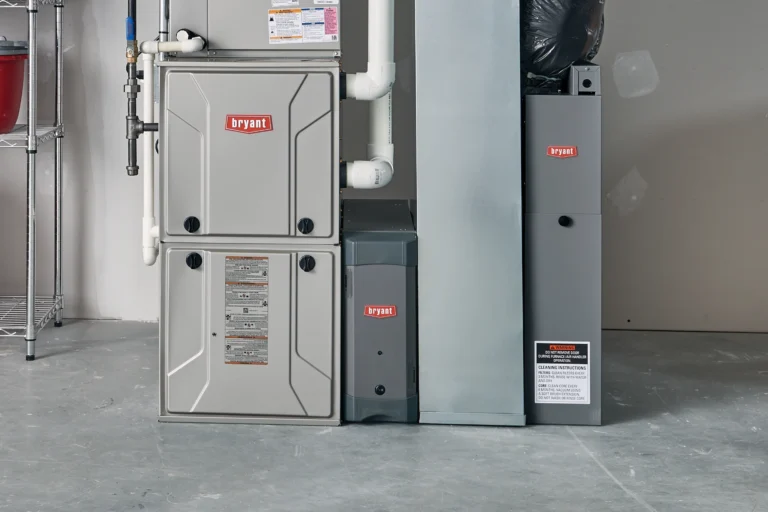
Venting is another critical specification. Standard-efficiency gas units use a metal flue, while condensing high-efficiency units vent through PVC piping because their exhaust is cooler and carries moisture. The gas line itself must be sized correctly using the appliance’s BTU input rating, the length of the run, and the number of connected appliances. An undersized line starves the burner and causes performance problems, so we calculate this carefully. For boilers, we also confirm water flow rates and pressure so the system distributes heat evenly across every zone or radiator in the home.
The Practical Benefits You Will Notice
The most immediate change most homeowners report is convenience. No more scheduling oil deliveries, no more anxious glances at the tank gauge, and no more worrying about running dry during a January cold snap. Natural gas flows continuously through the utility line, so your fuel supply is effectively automatic. That alone removes a recurring headache from your winter routine.
Beyond convenience, gas burns cleaner than oil. You will not deal with the soot buildup, the lingering odor, or the annual chimney cleaning that oil systems demand. Gas equipment also tends to require less frequent servicing because it produces fewer byproducts that foul the burner and heat exchanger. Combined with the higher efficiency ratings on modern equipment, these factors typically add up to lower operating costs and a cleaner mechanical room over the life of the system.
Common Situations Where Conversion Makes Sense
Not every home is ready for conversion at the same moment, but several situations make the switch especially logical. If your oil furnace or boiler is near the end of its service life, replacing it with gas equipment rather than another oil unit avoids locking yourself into another fuel-management cycle. If gas service has recently become available on your street, that opens a window worth acting on. And if you have been frustrated by rising oil prices, the shift can bring welcome relief to your monthly budget.
We also see conversions paired with other upgrades. Homeowners adding a gas water heater, a gas stove, or a backup generator often find it efficient to bring gas service in and convert the heating system at the same time. Coordinating these projects reduces disruption and makes the most of a single gas line installation. Whatever your reason, we tailor the recommendation to your specific home rather than pushing a one-size-fits-all package.
Why Choose All Air Heating and Cooling for Your Conversion
As Greater Fredericksburg’s most trusted HVAC repair and replacement service, we bring hands-on experience to every conversion project throughout Fredericksburg, Brooke, Falmouth, Hartwood, Spotsylvania Courthouse, Thornburg, King George, Sealston, Spotsylvania, Stafford, and Woodford. Oil to gas work sits at the intersection of several trades, involving fuel piping, combustion venting, equipment sizing, and system commissioning, and we handle all of it with the same attention we give to routine service calls. Our goal is a system that runs safely, efficiently, and quietly for many winters to come.
When you work with All Air Heating and Cooling, you get straightforward answers and a team that treats your home the way it should be treated. It’s all part of our tradition of excellence so you know you are getting the best from HVAC professionals who care. If you are considering leaving oil behind, reach out to All Air Heating and Cooling and let us evaluate your home, explain your options in plain terms, and lay out a conversion plan that fits the way you actually live.