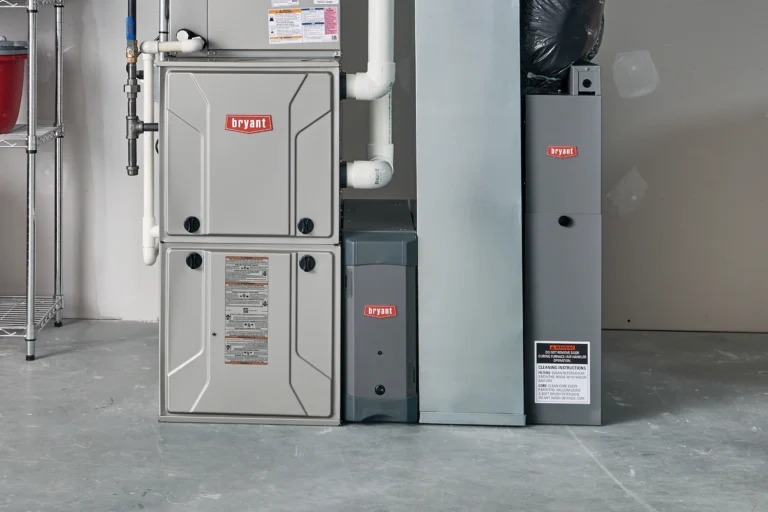
Understanding Your Furnace Installation Needs
When winter temperatures drop across Greater Fredericksburg, having a properly installed furnace becomes essential for maintaining comfortable indoor temperatures. At All Air Heating and Cooling, we specialize in comprehensive furnace installation services that ensure your heating system operates at peak efficiency from day one. The installation process begins with a thorough evaluation of your home’s heating requirements, taking into account factors such as square footage, insulation quality, window placement, and existing ductwork configuration. This detailed assessment allows us to recommend the ideal furnace size and type for your specific situation, preventing the common problems associated with oversized or undersized units.
To ensure your satisfaction, we start by asking questions about your heating preferences, budget considerations, and long-term energy goals. Our approach involves calculating precise heating load requirements using industry-standard Manual J calculations, which factor in your home’s unique characteristics including ceiling heights, sun exposure, and air infiltration rates. This methodical approach ensures that your new furnace will deliver consistent, efficient heating throughout your home while minimizing energy consumption and operating costs.
Types of Furnaces We Install
The modern heating market offers several furnace options, each with distinct advantages depending on your home’s configuration and energy availability. Gas furnaces remain the most popular choice in Fredericksburg, Brooke, Falmouth, Hartwood, Spotsylvania Courthouse, Thornburg, King George, Sealston, Spotsylvania, Stafford, and Woodford, utilizing natural gas or propane to generate heat through combustion. These systems typically achieve efficiency ratings between 80% and 98% AFUE (Annual Fuel Utilization Efficiency), with high-efficiency models featuring secondary heat exchangers that extract additional warmth from exhaust gases before venting.
Electric furnaces provide an alternative for homes without access to natural gas lines, converting electrical energy directly into heat through resistance coils. While these systems offer 100% efficiency at the point of use and require minimal maintenance, operating costs can be higher depending on local electricity rates. Oil furnaces, though less common in newer installations, continue serving many established homes, particularly in rural areas where natural gas infrastructure isn’t available. These systems require on-site fuel storage tanks and regular delivery schedules but provide reliable heating even during power outages when paired with backup generators.
The Installation Process
Professional furnace installation involves multiple critical steps that ensure safe, efficient operation for years to come. The process begins with removing your existing heating equipment, carefully disconnecting gas lines, electrical connections, and ductwork while following strict safety protocols. Our technicians then prepare the installation area, ensuring proper clearances from combustible materials and verifying that the foundation or platform can adequately support the new unit’s weight.
The actual furnace placement requires precise positioning to facilitate proper airflow and maintenance access. We connect the unit to existing or newly installed ductwork, ensuring all joints are properly sealed to prevent air leakage that could reduce system efficiency by up to 30%. Gas line connections must meet specific code requirements, including proper pipe sizing, leak testing, and installation of required safety devices such as sediment traps and shutoff valves. Electrical connections involve installing appropriate circuit breakers, running properly sized wiring, and establishing control connections for thermostats and safety switches.
Venting installation represents another crucial aspect, particularly for gas and oil furnaces that produce combustion byproducts. Modern high-efficiency furnaces typically use PVC venting systems that require careful slope calculations to ensure proper condensate drainage. We install intake and exhaust pipes according to manufacturer specifications, maintaining required clearances from windows, doors, and other building openings to prevent carbon monoxide infiltration.
Essential Components and Features
Modern furnaces incorporate numerous components that work together to deliver reliable heating performance. The heat exchanger serves as the system’s heart, transferring combustion heat to circulating air while keeping dangerous gases separate from your indoor environment. Quality heat exchangers feature corrosion-resistant materials such as aluminized or stainless steel, with warranties extending up to twenty years or limited lifetime coverage on premium models.
The blower motor and assembly circulate heated air throughout your ductwork system. Variable-speed motors offer significant advantages over traditional single-speed units, adjusting airflow based on heating demands to maintain more consistent temperatures while reducing energy consumption by up to 40%. These motors also operate more quietly and provide better humidity control during summer months when paired with air conditioning systems.
Control systems have evolved dramatically, with modern furnaces featuring sophisticated circuit boards that monitor multiple safety sensors and optimize operation. These controls track parameters including:
- Temperature limits: preventing overheating that could damage components or create safety hazards
- Pressure switches: verifying proper venting and combustion air supply
- Flame sensors: confirming successful ignition and continuous operation
- Rollout switches: detecting flames outside the combustion chamber
- Carbon monoxide detectors: alerting to dangerous gas accumulation
Energy Efficiency Considerations
Selecting an energy-efficient furnace significantly impacts both environmental footprint and long-term operating costs. ENERGY STAR certified furnaces must achieve minimum efficiency ratings of 90% AFUE in southern climates and 95% in northern regions. These high-efficiency units incorporate condensing technology that extracts additional heat from exhaust gases, recovering energy that would otherwise escape through the chimney.
If we don’t provide quality air conditioning and heating repair and services, we’re not doing our job, which is why we emphasize the importance of proper sizing and installation for achieving rated efficiency levels. Even the most efficient furnace will underperform if incorrectly sized or poorly installed. Oversized units cycle frequently, reducing efficiency and causing uncomfortable temperature swings, while undersized systems run continuously without adequately heating your space.
Maintenance and Warranty Protection
Proper maintenance begins immediately after installation, with our technicians providing comprehensive system orientation and demonstrating basic maintenance tasks. Regular filter replacement represents the most important homeowner maintenance responsibility, with dirty filters reducing airflow and forcing systems to work harder, potentially shortening equipment life by years. It’s all part of our tradition of excellence so you know you are getting the best from HVAC professionals who care about long-term system performance.
Manufacturer warranties typically cover heat exchangers for ten to twenty years or limited lifetime periods, while other components receive five to ten-year coverage. However, these warranties often require professional installation and annual maintenance to remain valid. Registration requirements usually mandate completing online forms within sixty days of installation, and we assist customers with this process to ensure full warranty protection. Extended warranty options provide additional coverage for parts and labor, offering peace of mind against unexpected repair costs while protecting your investment in home comfort equipment.