Commercial HVAC Systems: The Backbone of Business Operations
Commercial heating, ventilation, and air conditioning systems form the critical infrastructure that keeps businesses running smoothly throughout Greater Fredericksburg. At All Air Heating and Cooling, we understand that commercial HVAC requirements differ vastly from residential needs, demanding specialized expertise, robust equipment, and comprehensive maintenance strategies. Commercial buildings typically require systems that can handle larger spaces, accommodate varying occupancy levels, and maintain precise climate control across multiple zones while operating efficiently under constant use.
The complexity of commercial HVAC extends beyond simple temperature regulation. These systems must manage humidity levels, ensure proper ventilation rates to meet indoor air quality standards, and integrate seamlessly with building automation systems. Modern commercial facilities rely on sophisticated equipment that includes rooftop units, variable air volume systems, chillers, boilers, and complex ductwork networks that must work in harmony to create comfortable, productive environments for employees and customers alike.
Understanding Commercial HVAC Equipment Categories
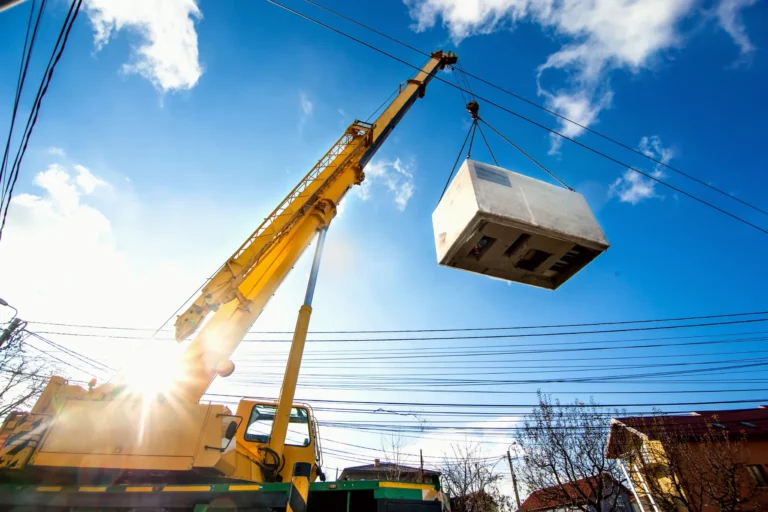
Commercial HVAC equipment falls into several distinct categories, each designed to meet specific building requirements and operational demands. Package units, commonly installed on rooftops, combine heating and cooling components in a single cabinet, making them ideal for retail spaces, small office buildings, and restaurants. These self-contained systems typically range from 3 to 50 tons of cooling capacity and can include gas or electric heating elements, depending on local utility availability and efficiency requirements.
Split systems represent another major category, separating the condensing unit from the air handling equipment to provide greater flexibility in installation and operation. These systems excel in applications where rooftop space is limited or where aesthetic considerations prevent exterior equipment placement. Variable refrigerant flow systems have gained popularity in recent years, offering exceptional energy efficiency and individual zone control capabilities that make them perfect for hotels, multi-tenant office buildings, and healthcare facilities where different areas require varying temperature settings throughout the day.
For larger commercial applications, chiller systems provide centralized cooling through chilled water distribution networks. These systems can serve entire campuses or high-rise buildings, with cooling capacities ranging from 100 to several thousand tons. Water-cooled chillers offer superior efficiency in large applications, while air-cooled models provide simpler installation and maintenance requirements for facilities without access to cooling tower infrastructure.
Energy Efficiency and Operating Cost Considerations
Energy consumption represents one of the largest operational expenses for commercial facilities, with HVAC systems typically accounting for 40 to 60 percent of total building energy use. We prioritize energy-efficient solutions that reduce operating costs while maintaining optimal comfort levels. Modern commercial HVAC systems incorporate variable-speed drives, high-efficiency compressors, and advanced control algorithms that adjust operation based on real-time demand, significantly reducing energy waste during partial-load conditions.
The implementation of economizer systems allows facilities to utilize outdoor air for free cooling when conditions permit, potentially reducing mechanical cooling requirements by 30 percent or more in appropriate climates. Heat recovery systems capture waste heat from cooling processes or exhaust air streams, redirecting this energy to provide heating for other building areas or domestic hot water production. These integrated approaches to energy management can yield substantial cost savings while reducing environmental impact.
Preventive Maintenance Programs for Commercial Systems
Commercial HVAC systems require comprehensive maintenance programs to ensure reliable operation, maximize equipment lifespan, and maintain peak efficiency. To ensure your satisfaction, we start by asking questions about your specific operational requirements, usage patterns, and maintenance history. Our preventive maintenance programs include regular filter replacements, coil cleaning, refrigerant level checks, electrical component inspections, and performance testing to identify potential issues before they result in costly breakdowns.
Predictive maintenance technologies have revolutionized commercial HVAC service delivery, utilizing sensors and data analytics to monitor system performance continuously. Vibration analysis, thermal imaging, and oil analysis provide early warning signs of component degradation, allowing for planned repairs during scheduled downtime rather than emergency service calls that disrupt business operations. These proactive approaches typically reduce maintenance costs by 20 to 40 percent while extending equipment life by several years.
Indoor Air Quality and Ventilation Requirements
Commercial buildings must meet stringent indoor air quality standards established by ASHRAE and local building codes, requiring careful attention to ventilation rates, filtration efficiency, and humidity control. Proper ventilation ensures adequate fresh air supply while removing contaminants, odors, and excess moisture that can impact occupant health and productivity. Modern commercial HVAC systems incorporate advanced filtration technologies, including HEPA filters and ultraviolet germicidal irradiation, to address growing concerns about airborne pathogens and allergens.
Demand-controlled ventilation systems optimize fresh air intake based on actual occupancy levels, measured through carbon dioxide sensors or occupancy detection systems. This approach maintains required air quality standards while minimizing energy consumption associated with conditioning excess outdoor air. If we don’t provide quality air conditioning and heating repair and services, we’re not doing our job, which is why we emphasize the importance of proper ventilation design and maintenance in every commercial installation.
System Integration and Building Automation
Modern commercial HVAC systems integrate with sophisticated building automation systems that provide centralized control, monitoring, and optimization capabilities. These platforms enable facility managers to adjust setpoints, schedule equipment operation, and respond to alarms from any location through web-based interfaces. Integration with lighting, security, and access control systems creates comprehensive building management solutions that optimize overall facility performance while providing detailed operational data for analysis and reporting.
The implementation of smart building technologies continues to evolve, with artificial intelligence and machine learning algorithms analyzing historical data to predict equipment failures, optimize energy consumption, and automatically adjust system operation based on weather forecasts, occupancy patterns, and utility rate structures. It’s all part of our tradition of excellence so you know you are getting the best from HVAC professionals who care about maximizing your facility’s operational efficiency and occupant comfort.
Planning for Commercial HVAC Projects
Successful commercial HVAC projects require careful planning, from initial load calculations and equipment selection through installation and commissioning. We conduct comprehensive facility assessments to determine heating and cooling loads, evaluate existing infrastructure, and identify opportunities for system improvements or upgrades. This detailed analysis ensures properly sized equipment that meets current needs while accommodating future growth or changes in building use.
Commercial HVAC installations in Fredericksburg, Brooke, Falmouth, Hartwood, Spotsylvania Courthouse, Thornburg, King George, Sealston, Spotsylvania, Stafford, and Woodford must comply with local building codes, energy standards, and environmental regulations that continue to evolve. Our expertise in navigating these requirements ensures projects proceed smoothly through permitting and inspection processes while achieving optimal system performance and efficiency goals that benefit your bottom line for years to come.