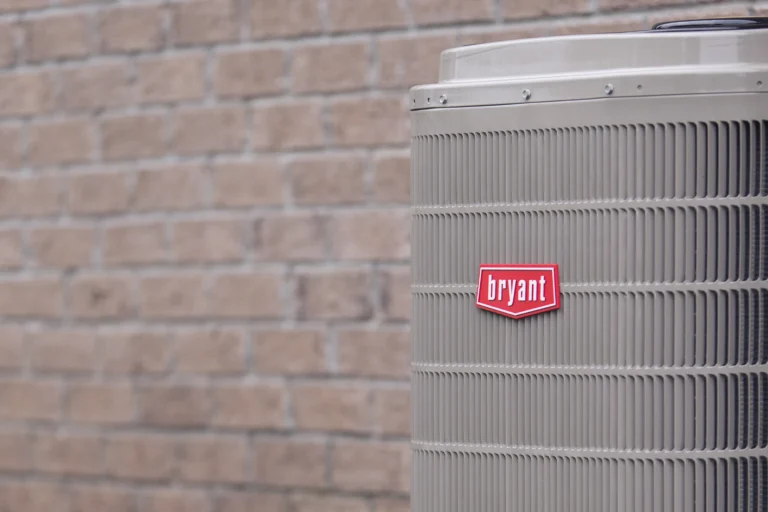

Understanding HVAC Emergency Preparedness
When severe weather strikes or unexpected system failures occur, your HVAC system becomes more than just a comfort feature—it transforms into a critical component of your home’s safety infrastructure. Emergency preparedness for heating and cooling systems requires proactive planning and regular maintenance to ensure your equipment functions reliably when you need it most. At All Air Heating & Cooling, we’ve seen firsthand how proper preparation can mean the difference between minor inconvenience and major crisis during extreme weather events in Fredericksburg.
Your HVAC system faces unique challenges during emergencies, from power outages and component failures to extreme temperature demands that push equipment beyond normal operating parameters. Understanding these vulnerabilities allows you to implement protective measures before disaster strikes. Recent industry data shows that HVAC systems experience a 45% higher failure rate during extreme weather events, particularly when maintenance has been deferred or emergency preparations overlooked.
Critical Pre-Emergency System Inspection
Before any crisis develops, conducting a comprehensive system inspection establishes your baseline operational status and identifies potential failure points. This inspection should encompass all major components, including your furnace heat exchanger, air conditioning compressor, electrical connections, and ventilation pathways. To ensure your satisfaction, we start by asking questions about your system’s performance history, any unusual sounds or behaviors, and previous emergency experiences that might inform our inspection approach.
Professional technicians examine refrigerant levels, electrical amp draws, temperature differentials, and mechanical wear patterns during pre-emergency assessments. These detailed evaluations reveal hidden issues that could cascade into complete system failure under stress. For example, a slightly worn capacitor might function adequately under normal conditions but fail completely when outdoor temperatures exceed 95 degrees, leaving you without cooling precisely when demand peaks.
Essential Emergency Supply Checklist
Maintaining proper emergency supplies specifically for HVAC situations ensures you can respond effectively to various crisis scenarios. Your emergency kit should include:
- Replacement air filters: Stock at least three months’ worth, as debris from storms can quickly clog filters
- Circuit breaker labels: Clearly marked electrical panel identification for quick power cycling
- Portable space heaters: Electric models rated for indoor use with automatic shutoff features
- Battery-powered fans: Multiple units to maintain air circulation during power outages
- Plastic sheeting and duct tape: For temporary window insulation or ductwork repairs
- Flashlights and batteries: Essential for inspecting equipment in dark basements or attics
- Emergency contact information: Including after-hours HVAC service numbers and utility companies
Power Outage Protocol and Backup Solutions
Power interruptions represent the most common HVAC emergency scenario, requiring specific response protocols to protect your equipment and maintain livable conditions. When power fails, immediately switch your thermostat to the “off” position to prevent power surge damage when electricity returns. This simple step prevents compressor damage that occurs when systems attempt to restart under load conditions.
Backup power solutions range from portable generators capable of running essential circuits to whole-home standby systems that automatically activate during outages. Generator sizing calculations must account for HVAC startup surge requirements, typically requiring 3-5 times the running wattage. A 3-ton air conditioning system might need 7,200 watts for startup despite only requiring 3,500 watts for continuous operation. If we don’t provide quality air conditioning and heating repair and services that include proper emergency planning guidance, we’re not doing our job.
Extreme Weather Preparation Strategies
Different weather emergencies demand specific HVAC preparation approaches. During winter storm warnings, increase your thermostat setting by 3-5 degrees before the storm arrives, allowing your home to store additional thermal energy. Close interior doors to unused rooms, concentrating heating efforts in essential living spaces. Inspect and clear snow from outdoor unit components and exhaust vents regularly during storms to prevent carbon monoxide buildup.
Summer heat emergencies require opposite strategies, including pre-cooling your home during morning hours when electrical demand remains lower. Install window coverings to reduce solar heat gain, and ensure condensate drain lines flow freely to prevent water backup during periods of continuous operation. It’s all part of our tradition of excellence so you know you are getting the best from HVAC professionals who care about your family’s safety and comfort during challenging conditions.
Creating Your HVAC Emergency Action Plan
Developing a written emergency action plan ensures all household members understand proper procedures during HVAC crises. Document shutdown procedures, including gas valve locations, electrical disconnects, and water shutoff points that might affect hydronic heating systems. Include step-by-step instructions for safely resetting equipment after power restoration, noting specific wait times between shutdown and restart attempts.
Your action plan should designate family meeting points during evacuations and establish communication protocols with your HVAC service provider. Regular plan reviews and practice sessions, conducted seasonally with filter changes, reinforce proper procedures and identify plan improvements based on evolving household needs and equipment updates.